

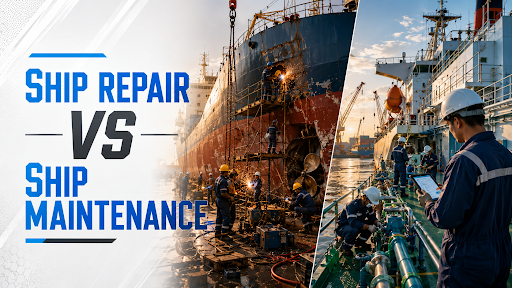
People in the maritime industry often use the terms “ship repair” and “ship maintenance” to refer to the same thing. However, they actually refer to two different processes with different goals, timelines, and costs. Understanding the difference between ship repair and ship maintenance is essential for shipowners, operators, and technical managers who want to keep vessels safe, compliant, and operating efficiently.
This guide breaks down both concepts clearly so you know exactly what your fleet needs and when.
Key Takeaways
- Ship maintenance is a planned, preventive process, while ship repair is typically a reactive response to existing damage or failure.
- Regular maintenance reduces the likelihood of costly emergency repairs and extends a vessel’s operational lifespan.
- Ship repairs range from minor machinery fixes to major structural work requiring dry docking.
- A consistent maintenance schedule, combined with prompt repairs when needed, supports maritime safety and vessel reliability.
- Partnering with experienced marine service providers helps streamline both maintenance and repair processes.
What Is Ship Maintenance?
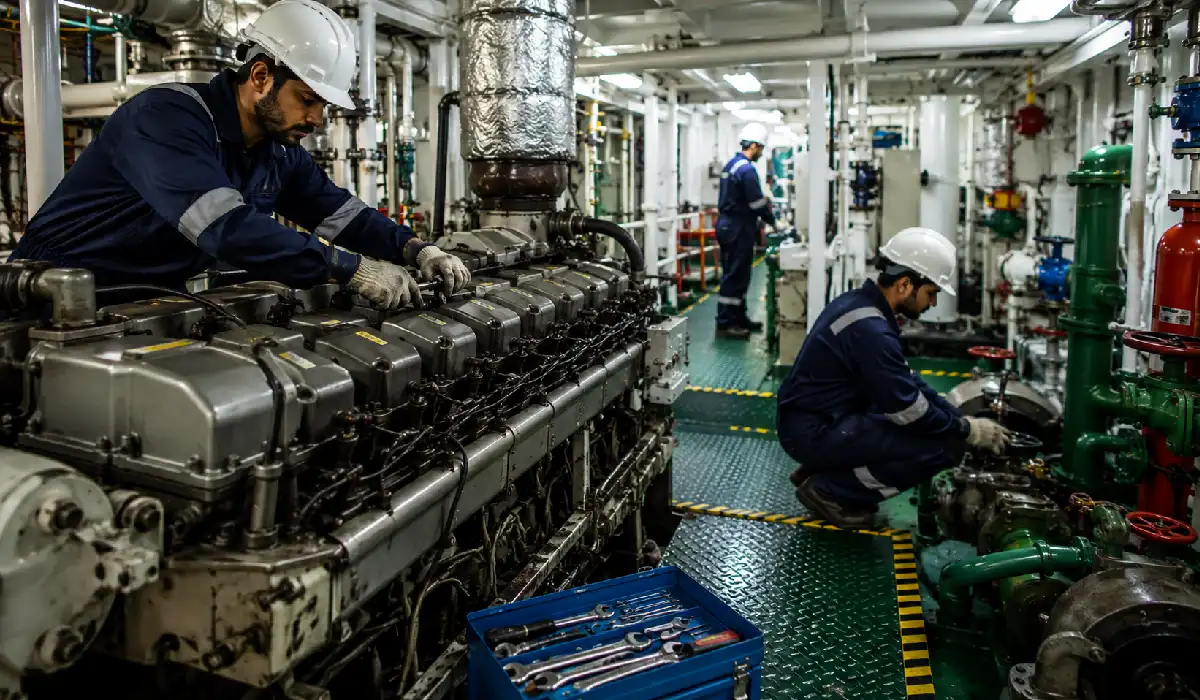
Ship maintenance refers to the routine, planned activities carried out to keep a vessel’s systems, machinery, and structure in optimal working condition. Prevention is the goal of marine vessel maintenance. Small problems should be found and fixed before they get worse so the ship can keep running safely and efficiently.
Ship maintenance procedures typically include:
- Routine engine and propulsion system checks
- Hull cleaning and corrosion prevention
- Lubrication and servicing of machinery
- Inspection of safety and navigation equipment
- Scheduled part replacements based on a planned maintenance system
Preventive ship maintenance is usually scheduled well in advance, following manufacturer guidelines, classification society requirements, and maritime safety regulations. This proactive approach is central to modern ship maintenance management systems, which track service intervals across an entire fleet to reduce unexpected downtime.
What Is Ship Repair?
Ship repair, on the other hand, is a reactive or corrective process. It takes care of problems, breakdowns, or damage that have already happened, like normal wear and tear, an accident, damage from the weather, or equipment that doesn’t work right. Ship repair services are typically more urgent and unplanned compared to maintenance work.
Common ship repair process activities include:
- Structural repairs to the hull or superstructure
- Engine or machinery overhauls after failure
- Emergency ship repair following collisions or grounding
- Replacing damaged propulsion or steering components
- Addressing issues identified during ship inspection and maintenance checks
Unlike maintenance, ship repair is often carried out at a shipyard, sometimes requiring dry docking depending on the severity and location of the damage.
Also Read: How to Choose the Right Ship Chandler for Your Vessel: A Complete Guide
Ship Repair vs Ship Maintenance: Key Differences
Here are some ship repair vs ship maintenance differences:
| Factor | Ship Maintenance | Ship Repair |
| Purpose | Prevent problems before they occur | Fix existing damage or failure |
| Timing | Scheduled and planned | Often unplanned or urgent |
| Cost | Generally lower, predictable | Can be significantly higher |
| Frequency | Routine and ongoing | As-needed, based on issues |
| Location | Often performed onboard or at berth | Frequently requires shipyard/dry dock |
| Impact on Downtime | Minimal if planned well | Can cause significant vessel downtime |
Understanding this distinction helps fleet operators budget appropriately and build maintenance schedules that minimize the need for costly emergency repairs down the line.
Why Ship Maintenance Is Important
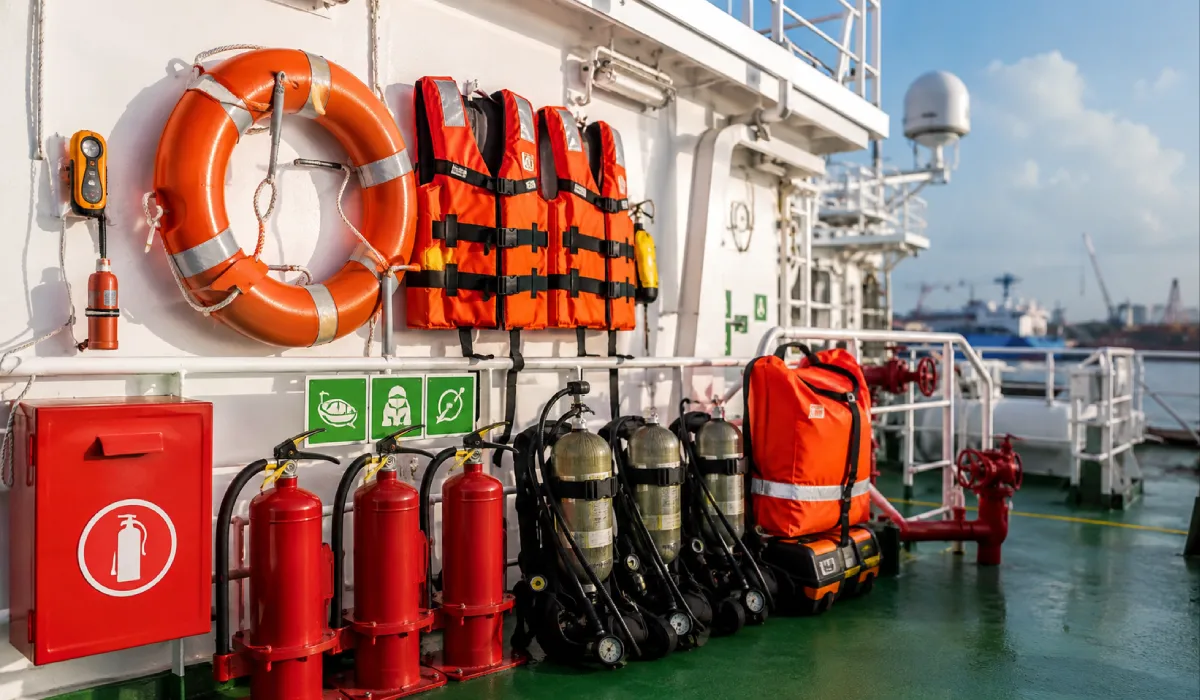
Routine marine engineering maintenance plays a critical role in maritime safety, vessel reliability, and long-term cost control. Regular maintenance helps:
- Extend the operational lifespan of the vessel
- Reduce the likelihood of major mechanical failures
- Ensure compliance with maritime regulations and safety standards
- Improve fuel efficiency and overall ship performance
- Minimize unexpected downtime that disrupts shipping schedules
When you don’t do maintenance, repairs have to be done more often and cost more. This is why preventive care is a better long-term investment for any commercial ship repair budget.
Types of Ship Repairs
Ship repairs generally fall into a few key categories:
- Structural Repairs: Addressing hull damage, corrosion, or fatigue cracks
- Machinery Repairs: Fixing engines, generators, and propulsion systems
- Electrical and Systems Repairs: Resolving navigation, communication, or control system failures
- Emergency Repairs: Urgent fixes following accidents, grounding, or severe weather damage
- Dry Dock Repairs: Major repairs requiring the vessel to be taken out of water for underwater hull work
Preventive Maintenance vs Corrective Repair
The maritime industry generally follows two maintenance philosophies:
- Preventive Maintenance: Scheduled servicing designed to catch issues early and avoid breakdowns altogether.
- Corrective Maintenance (Repair): Addressing problems after they’ve already caused a failure or malfunction.
Most modern fleets aim to prioritize preventive maintenance, since it’s generally more cost-effective and reduces the risk of unplanned vessel downtime. However, corrective repairs remain a necessary part of ship ownership, especially for unforeseen incidents that no maintenance schedule can fully prevent.
How Often Should Ships Undergo Maintenance?
Maintenance frequency depends on vessel type, age, usage, and classification society requirements, but most ships follow a structured schedule that includes the following:
- Daily and weekly operational checks
- Monthly system inspections
- Annual surveys and servicing
- Periodic dry docking (typically every 2.5 to 5 years) for major inspections and structural maintenance
Sticking to a consistent vessel maintenance schedule is one of the most effective ways to avoid costly emergency ship repair situations later on. Industry professionals like Kuldeep Lalchandani bring valuable experience in navigating the practical demands of ship repair services and maintenance coordination across Indian ports.
Working with the Right Marine Support Partner
Whether you need routine servicing or urgent repair work, having a reliable partner for both supplies and technical support matters. Aasutosh Marine, a trusted ship chandler in Kandla & all Indian ports, ensures vessels have seamless access to essential marine supplies, technical support, and repair services during every port call.
For more insights into keeping your fleet running efficiently, check out our related blog on maritime maintenance best practices.
Frequently Asked Questions
What is the difference between ship repair and ship maintenance?
Ship maintenance is planned, preventive work to keep a vessel running smoothly, while ship repair addresses existing damage or failures, often on an urgent or unplanned basis.
Why is ship maintenance important for vessels?
It helps prevent breakdowns, ensures regulatory compliance, improves fuel efficiency, and extends the vessel’s operational lifespan while reducing long-term costs.
What are the main types of ship repairs?
Common types include structural repairs, machinery repairs, electrical system repairs, emergency repairs, and major dry dock repairs.
How often should ships undergo maintenance?
Ships typically follow daily, weekly, monthly, and annual maintenance checks, along with periodic dry docking every 2.5 to 5 years for major inspections.
Is preventive maintenance better than ship repair?
Preventive maintenance is generally more cost-effective since it helps avoid major failures, but corrective repairs remain necessary for unforeseen incidents and accidents.
What happens during ship dry-docking?
The vessel is taken out of water for hull inspection, underwater repairs, corrosion treatment, and major structural or machinery work that can’t be done while afloat.
How can regular maintenance reduce ship repair costs?
By catching small issues early, regular maintenance prevents them from escalating into major, more expensive repairs and reduces unplanned vessel downtime.