

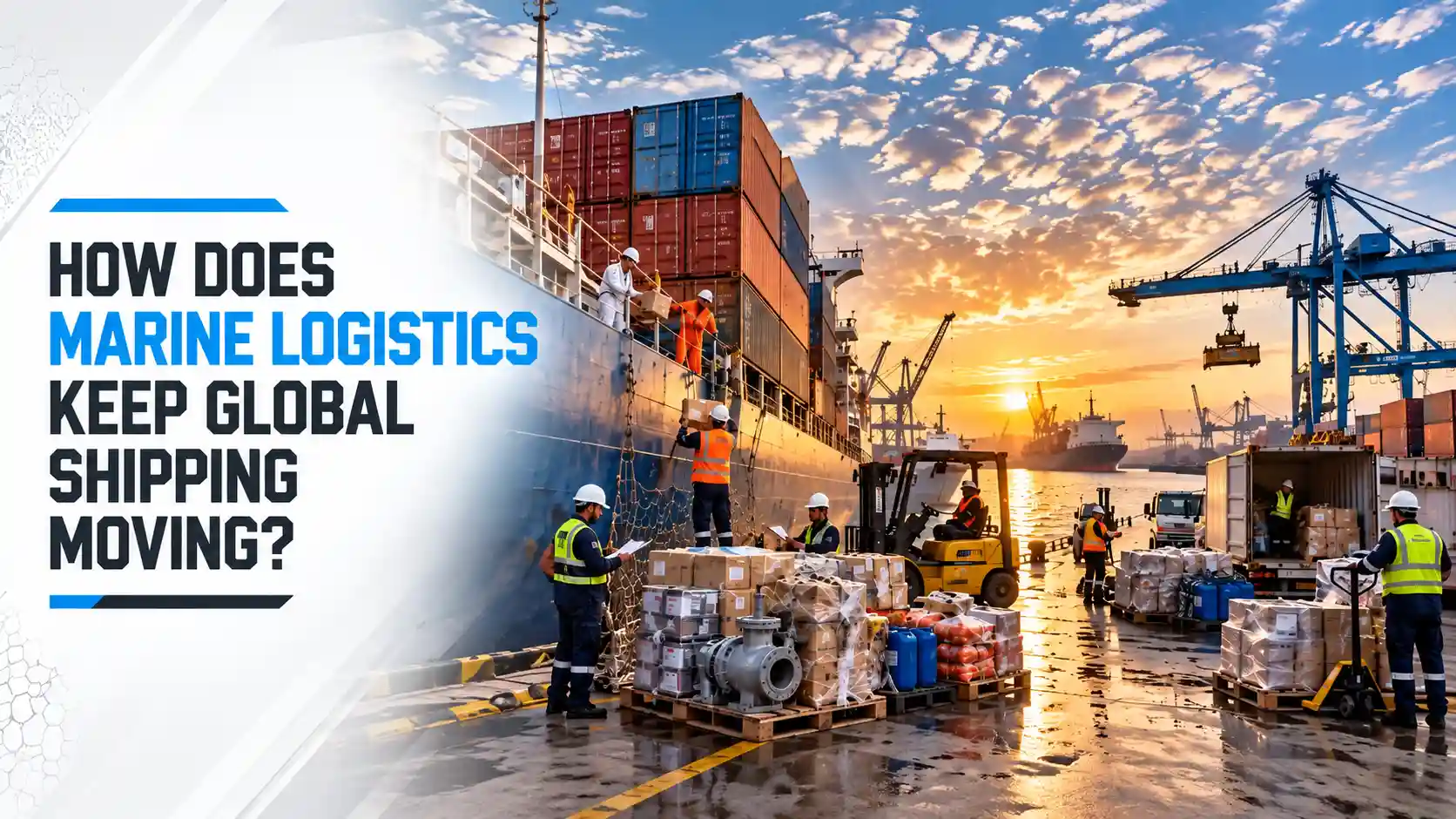
SOLAS requirements are the IMO’s mandatory maritime safety regulations covering ship construction, fire-fighting appliances, life-saving equipment, navigation, radio communication, and cargo safety. If a commercial ship is on an international trip, it must follow these SOLAS safety rules. If it doesn’t, inspectors can detain it, fine it, or delay its sailings at any port. Only in 2025, inspectors from the Paris MoU detained 688 ships, which is a detention rate of 4.18 percent. The main reasons for these detentions were fire safety and life-saving equipment issues.
Key Takeaways
- Almost all ships that trade internationally must follow SOLAS. About 99% of the world’s merchant shipping tonnage is regulated by 167 contracting states.
- Fire safety is the biggest risk of not following the rules. In 2025, 16.8% of all PSC findings violated SOLAS Chapter II-2, which covers fire protection.
- Life-saving appliances come in at a close third. About 9% of the problems found were LSA deficiencies, usually caused by lifeboats, life rafts, and hydrostatic release units not being serviced on time.
- The risk of being detained is going up, not down. The Paris MoU detention rate rose from 4.03% in 2024 to 4.18% in 2025, meaning inspections are becoming more intense.
- Compliance doesn’t happen only at certain times of the year; at every port call, not just before a scheduled survey, certificates, service records, and crew drills must be up to date.
- Chandlers is more than just a supplier; they are also a compliance partner. By finding certified equipment and coordinating service schedules, they directly lower the risk of detention.
What Is SOLAS?
The International Convention for the Safety of Life at Sea (SOLAS) is the most important treaty for safety rules at sea. First adopted after the 1912 Titanic disaster, the current SOLAS 1974 convention entered into force in 1980 and has since grown from 12 to 14 chapters, with new chapters added in 2016 and 2017 to keep pace with evolving vessel technology and risk.
The scale of its adoption is what gives SOLAS its authority: 167 contracting states now flag roughly 99% of the world’s merchant shipping tonnage under SOLAS obligations. That means almost no vessel trading internationally can avoid it. The SOLAS Convention sets minimum construction, equipment, and operational standards for merchant ships, and it applies regardless of flag state.
Flag states make sure that ships registered with them follow SOLAS rules. Port state control (PSC) authorities, such as the Paris MoU, the Tokyo MoU, and the Indian Ocean MoU, check for themselves that ships are following the rules when they are inspected at foreign ports. Falling short of SOLAS requirements isn’t just a legal risk; it’s a commercial one. Every detention keeps a vessel off-hire, disrupts charter schedules, and can trigger insurance and classification scrutiny.
What Are the Main SOLAS Requirements for Ships?
SOLAS requirements for ships are organized into chapters, each covering a specific area of vessel safety:
- Chapter II-1 (Construction, subdivision and stability): Watertight subdivision, damage stability, machinery and electrical installations.
- Chapter II-2 (Fire protection, detection and extinction): Structural fire protection, detection systems, suppression equipment.
- Chapter III (Life-saving appliances (LSA)): Lifeboats, life rafts, immersion suits, evacuation systems and musters.
- Chapter IV (Radiocommunications): GMDSS equipment for distress and safety signalling.
- Chapter V (Safety of navigation): Voyage planning, navigational equipment, watchkeeping (the only chapter applying to virtually all vessels, including small craft).
- Chapter VI/VII (Carriage of cargo, including dangerous goods): Stowage, segregation, documentation.
- Chapter IX (Safety management): Implementation of the ISM Code and a functioning onboard safety management system.
Statutory surveys, classification society audits, and port state control inspections check each of these areas. According to the Paris MoU’s 2025 Annual Report, inspectors logged 51,797 deficiencies across 16,474 inspections that year, so a gap in even one chapter can realistically affect a vessel’s certification and trading schedule.
What Equipment Is Required Under SOLAS for Life-Saving Appliances?
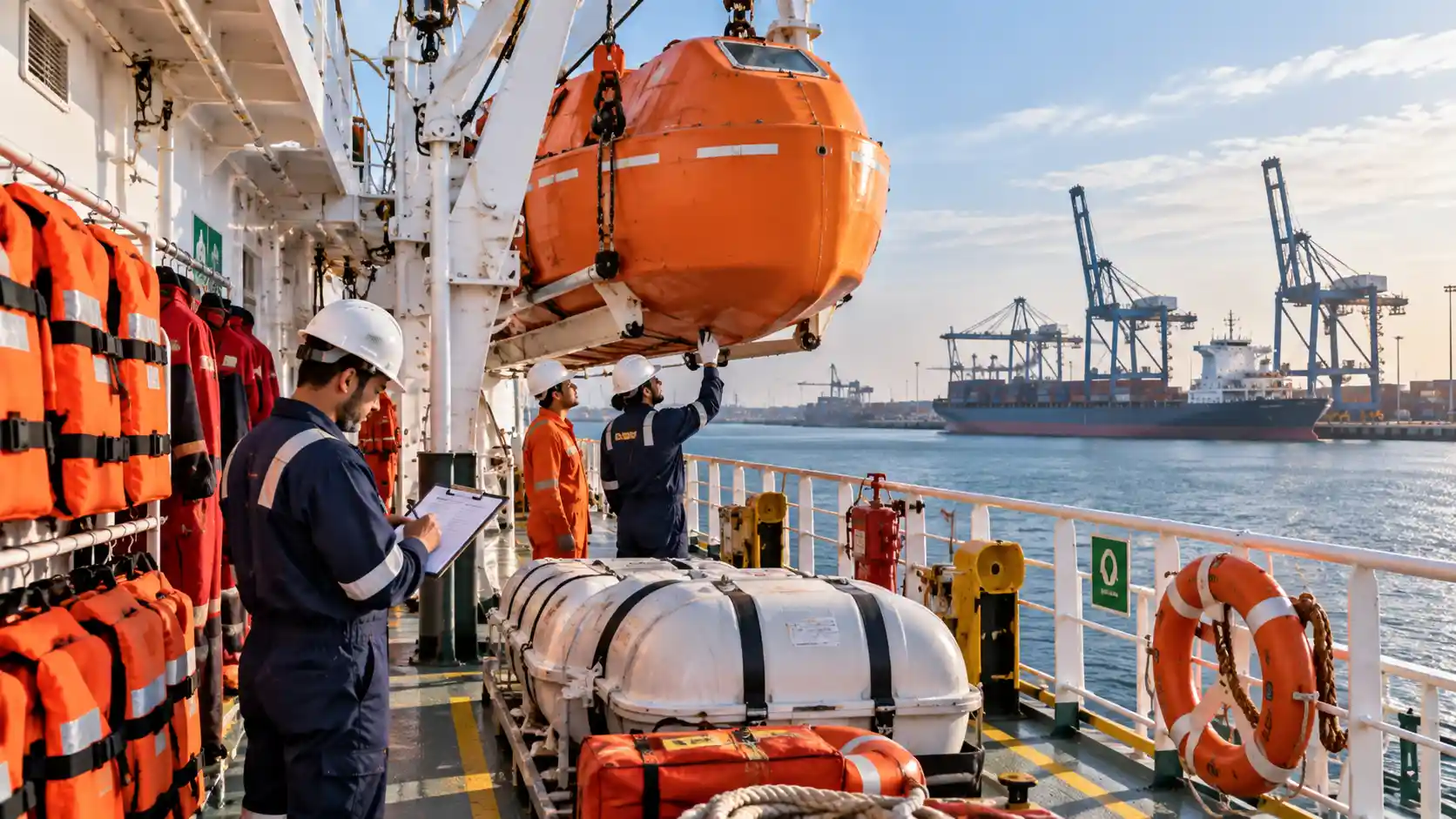
SOLAS Chapter III requirements for life-saving appliances mandate survival equipment scaled to vessel type, crew size, and voyage area. Required equipment includes:
- Lifeboats and life rafts with capacity for every person on board, plus a margin for crew stationed at launching
- Lifejackets and immersion suits, sized and stowed for rapid access
- EPIRBs (emergency position-indicating radio beacons) for distress alerting
- Line-throwing appliances and pyrotechnic distress signals (rockets, flares, smoke signals)
- Rescue boats and embarkation ladders for man-overboard and evacuation scenarios
This isn’t a small compliance area. According to the Paris MoU’s 2025 data, about 9% of all recorded PSC deficiencies were related to life-saving appliances. This means LSA gaps are one of the main reasons inspectors board ships.
All equipment in this category must be class-approved, properly maintained, and serviced at intervals set by SOLAS and the manufacturer, with hydrostatic release units, inflatable life raft servicing, and lifeboat davit testing among the most frequently missed items. Working with a supplier experienced in Life Saving Appliances & Fire Fighting Appliances keeps this equipment inspection-ready year-round, rather than scrambling to source certified replacements against a survey deadline.
What Are SOLAS Requirements for Fire-Fighting Equipment?
Fire is still one of the biggest risks at sea, and the numbers show it: in the 2025 Paris MoU Annual Report, SOLAS Chapter II-2 (fire safety) had the most deficiencies of any category, making up 16.8% of all deficiencies. This was higher than structural and electrical issues (11.6%) and navigation safety (8%). Fire doors made up 3.1% of all problems found. This shows how often regular maintenance on fire boundaries is forgotten.
SOLAS requirements for fire-fighting equipment cover:
- Certified fire detection and alarm systems throughout accommodation, machinery, and cargo spaces
- Fixed fire-extinguishing systems (CO2, foam, water mist) for machinery and cargo hold protection
- Portable and semi-portable fire extinguishers, correctly rated and positioned per space
- Fireman’s outfits and self-contained breathing apparatus
- Fire pumps, hydrants, hoses, and international shore connections
- Fire doors, dampers, and structural fire boundaries kept in proper working order
Certified, tested on a regular basis, and easy to get to, this equipment shouldn’t be buried under cargo or blocked by stores. Given that fire safety consistently tops PSC deficiency lists year after year, operators who treat FFA servicing as a scheduled maintenance item, not an annual scramble, see measurably fewer detentions.
How Do Ship Operators Maintain SOLAS Compliance?
SOLAS compliance is an ongoing operational discipline, not a one-time certification event. The overall PSC detention rate went up from 4.03% the previous year to 4.18% in 2025. This shows that rules and inspections are getting stricter, not softer.
Ship operator compliance typically depends on five recurring practices:
- Regular checks and renewal of legal certificates. Check expiration dates well before a port call, not after a deficiency notice.
- Regular checks and maintenance on LSA and FFA gear, done at times required by the manufacturer and the class, with records kept on board.
- Crew training and emergency drills required under the ISM Code, including fire and abandon-ship drills logged per SOLAS Chapter III.
- Accurate record-keeping and documentation for audits, since missing paperwork is treated the same as missing equipment by most PSC regimes.
- Sourcing SOLAS-compliant marine equipment for replacements and top-ups, from suppliers who can provide proper certification alongside the product
When ships see SOLAS compliance as ongoing instead of reactive, they consistently have fewer detentions and smoother port calls, which is a big plus when PSC scrutiny is growing across the board.
How Do Ship Chandlers Help Vessels Meet SOLAS Requirements?
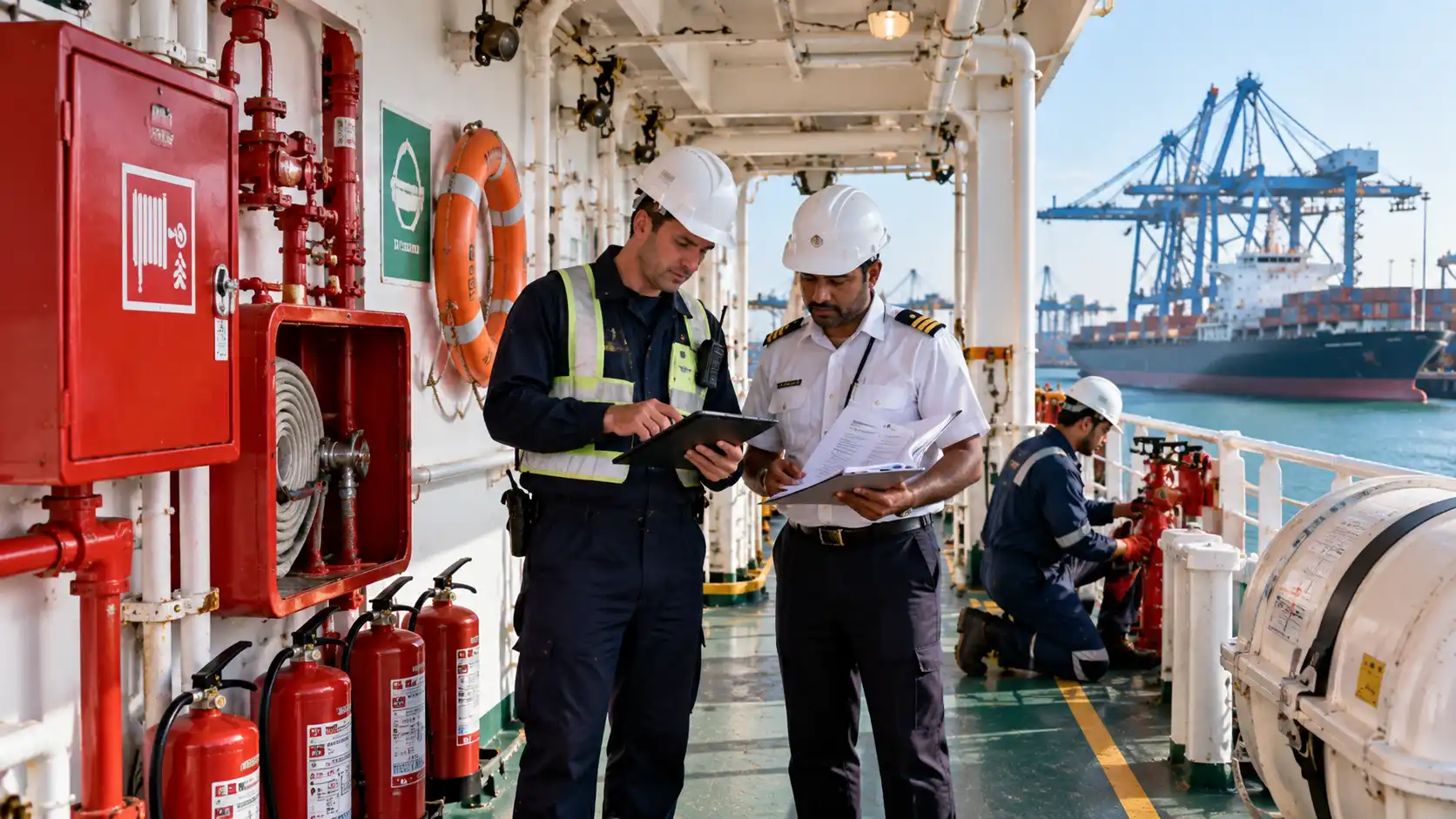
A trustworthy ship chandler does more than just stock ships; they also help with SOLAS compliance.
Ship chandling services support operators in several concrete ways:
- Supplying SOLAS-compliant ship supplies with proper certification, so equipment coming aboard doesn’t create a fresh deficiency the moment it’s installed
- Coordinating timely servicing of life-saving and fire-fighting appliances, syncing service intervals with port calls instead of leaving gaps between them
- Sourcing genuine, class-approved spares rather than uncertified substitutes that pass a quick visual check but fail closer inspection
- Preventing delays caused by expired or non-compliant equipment, one of the most avoidable reasons vessels get flagged during PSC checks
- Along with the equipment itself, inspectors will look for supporting paperwork like certificates, service records, and compliance documents.
Chandlers with strong port networks also assist with Spares Clearing and Consolidation, ensuring replacement parts and safety equipment reach the vessel without customs or logistics hold-ups. This is a step that matters more than it sounds, since a certified part sitting in customs doesn’t help a vessel pass inspection on schedule.
How Can Ship Operators Prepare for SOLAS Inspections?
Preparation is the difference between a routine inspection and a detention. Before a port state control inspection, operators should confirm:
- All statutory certificates are current and readily available for the inspector
- LSA and FFA equipment is serviced, tagged, and logged with up-to-date records
- Fire and safety drills are logged per SOLAS and ISM Code requirements, with crew able to demonstrate familiarity, not just paperwork
- Deficiencies from previous inspections are closed out and documented, since unresolved prior findings raise inspector scrutiny
- Complete and document structural work ahead of survey dates. Vessels undergoing hull or structural work should verify that Ship Repairs are properly closed out, since structural deficiencies (SOLAS II-1) were the second-highest PSC deficiency category in 2025, at 11.6%
Given that fire safety, structural/electrical issues, and life-saving appliances together accounted for well over a third of all PSC deficiencies recorded in 2025, these three areas deserve the most attention in any pre-inspection checklist.
Conclusion
SOLAS compliance protects crews, cargo, and vessels, and with detention rates climbing across major PSC regimes, it’s a standard every ship operator must actively maintain at every port of call, not treat as a formality. Partnering with an experienced Ship Chandler in Kandla & All Indian Ports makes this easier, since the right service partner ensures certified equipment, timely servicing, and dependable support wherever your vessel operates. Aasutosh Marine brings 15+ years of ISO-certified experience to help ship operators across India stay SOLAS compliant, port-ready, and confident at every inspection.
FAQs
What are the main SOLAS requirements for ships?
SOLAS requirements span core areas including construction and stability (Chapter II-1), fire protection (Chapter II-2), life-saving appliances (Chapter III), radio communications (Chapter IV), navigation safety (Chapter V), cargo carriage, and safety management systems under the ISM Code.
Why is SOLAS compliance important for ship operators?
If a ship doesn’t follow the rules, it can be detained, fined, or have its sailings delayed. In 2025, the Paris MoU alone detained 688 ships that didn’t follow the rules. But following the rules for SOLAS keeps crews safe and operations running smoothly at all ports.
What safety equipment is required under SOLAS?
Required marine safety equipment includes lifeboats, life rafts, lifejackets, immersion suits, EPIRBs, fire detection and extinguishing systems, fire doors, and GMDSS communication equipment.
How do ship operators maintain SOLAS compliance?
It is done by having regular surveys, servicing of LSA and FFA equipment, crew drills, accurate records, and getting certified marine equipment. These things are done all the time, not just once a year.
How do ship chandlers help vessels meet SOLAS requirements?
Ship chandlers supply SOLAS-compliant marine equipment with proper certification, coordinate servicing schedules, and support spares clearing so vessels avoid compliance-related delays.
What are the most common SOLAS deficiencies found during inspections?
Per the Paris MoU 2025 Annual Report, fire safety (16.8%), structural/electrical issues (11.6%), and life-saving appliances (9%) were the top three deficiency categories recorded across PSC inspections.